
Heating, ventilation and air conditioning is often the single biggest energy user in a home or commercial building. Dirty filters, leaking ducts and neglected equipment force your system to work harder, driving up bills and shortening its lifespan. By following a few simple practices, building owners can stay comfortable, cut cooling costs and keep their HVAC system running reliably.
Taking proactive steps not only lowers energy use but also reduces breakdowns and extends the lifespan of your mechanical and electrical equipment.
HVAC efficiency isn’t just about buying new equipment — it’s about maintaining what you have through regular checks, clean airflow, and smart controls.
1. Replace Air Filters Regularly
Clogged filters restrict airflow and make fans and compressors work harder. Check filters monthly during peak season and replace them every one to three months to keep air flowing freely and energy use down.
2. Seal and Insulate Your Ductwork
Leaky ducts can waste a large share of conditioned air before it reaches your rooms. Have joints sealed and ducts insulated, especially in attics, ceilings and plant rooms.
3. Install a Smart Programmable Thermostat
Smart thermostats adjust temperatures automatically based on occupancy and schedules, so you are not cooling empty rooms. Even a few degrees of setback overnight can noticeably reduce cooling costs.
4. Keep Outdoor Units Clean and Clear
Condenser coils clogged with dust, leaves or debris cannot release heat efficiently. Keep at least two feet of clearance around outdoor units and have the coils cleaned before the cooling season.
5. Upgrade Aging HVAC Equipment
Older units can use far more energy than modern high-efficiency systems. Upgrading to inverter-driven equipment, paired with correctly sized wiring and controls, delivers better comfort and lower bills.
6. Check Refrigerant Levels and Electrical Connections
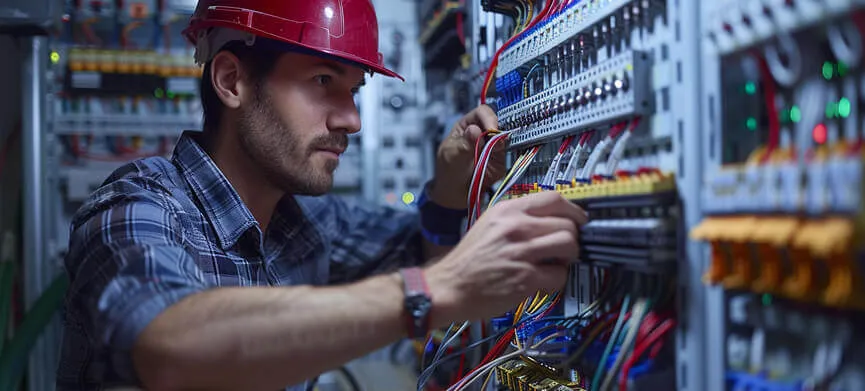
Low refrigerant and loose electrical terminals reduce cooling capacity and stress the compressor. Have a technician check charge levels, capacitors and contactors to prevent damage and failures.
7. Schedule Preventive HVAC Maintenance
Regular servicing by qualified electrical & mechanical technicians helps identify hidden issues before they become serious problems. Preventive maintenance keeps your system safe and efficient.